Hala Fruit
Country of Origin - Indonesia
Average Weight - 1 KG per fruit
Introduction
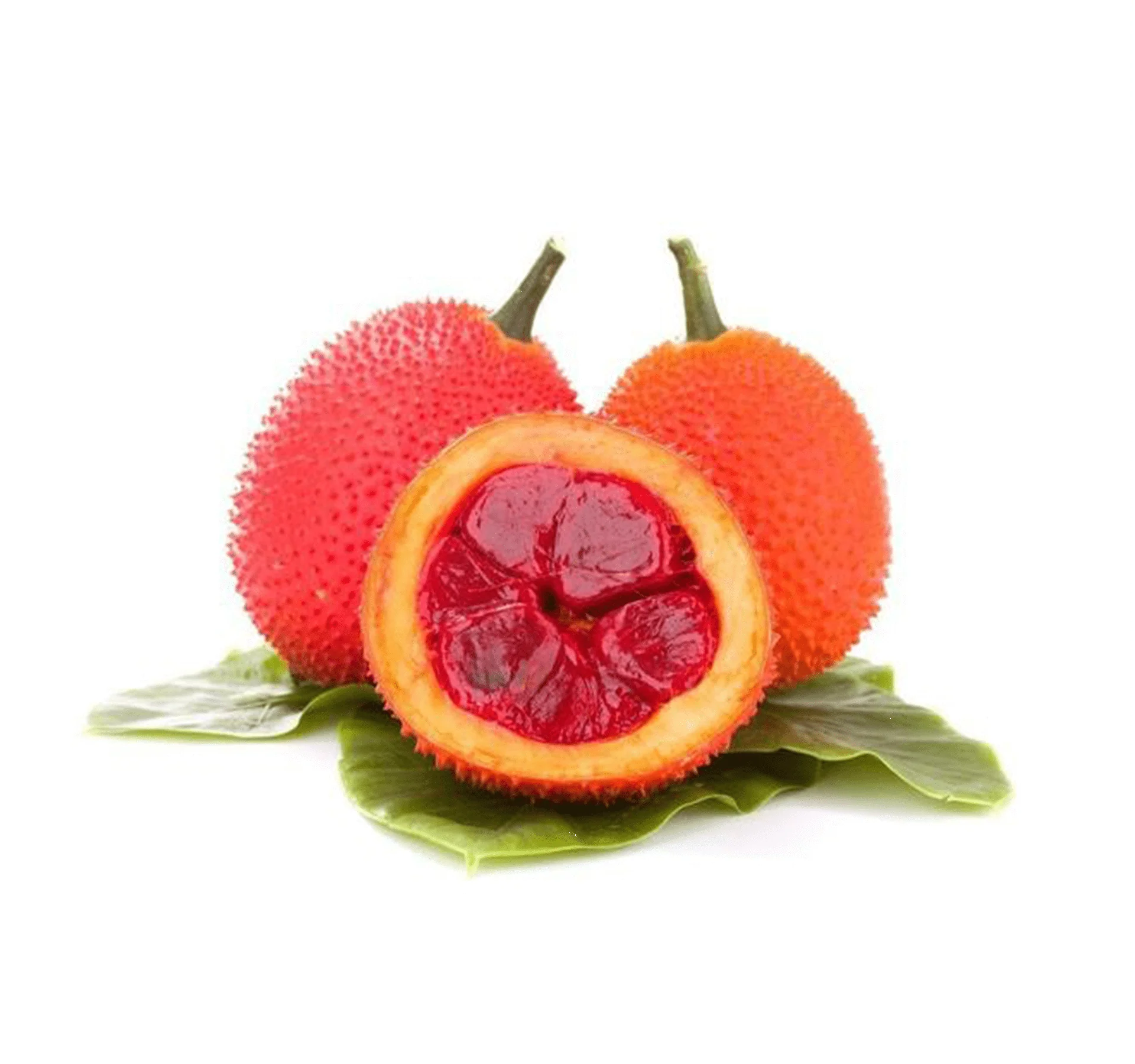
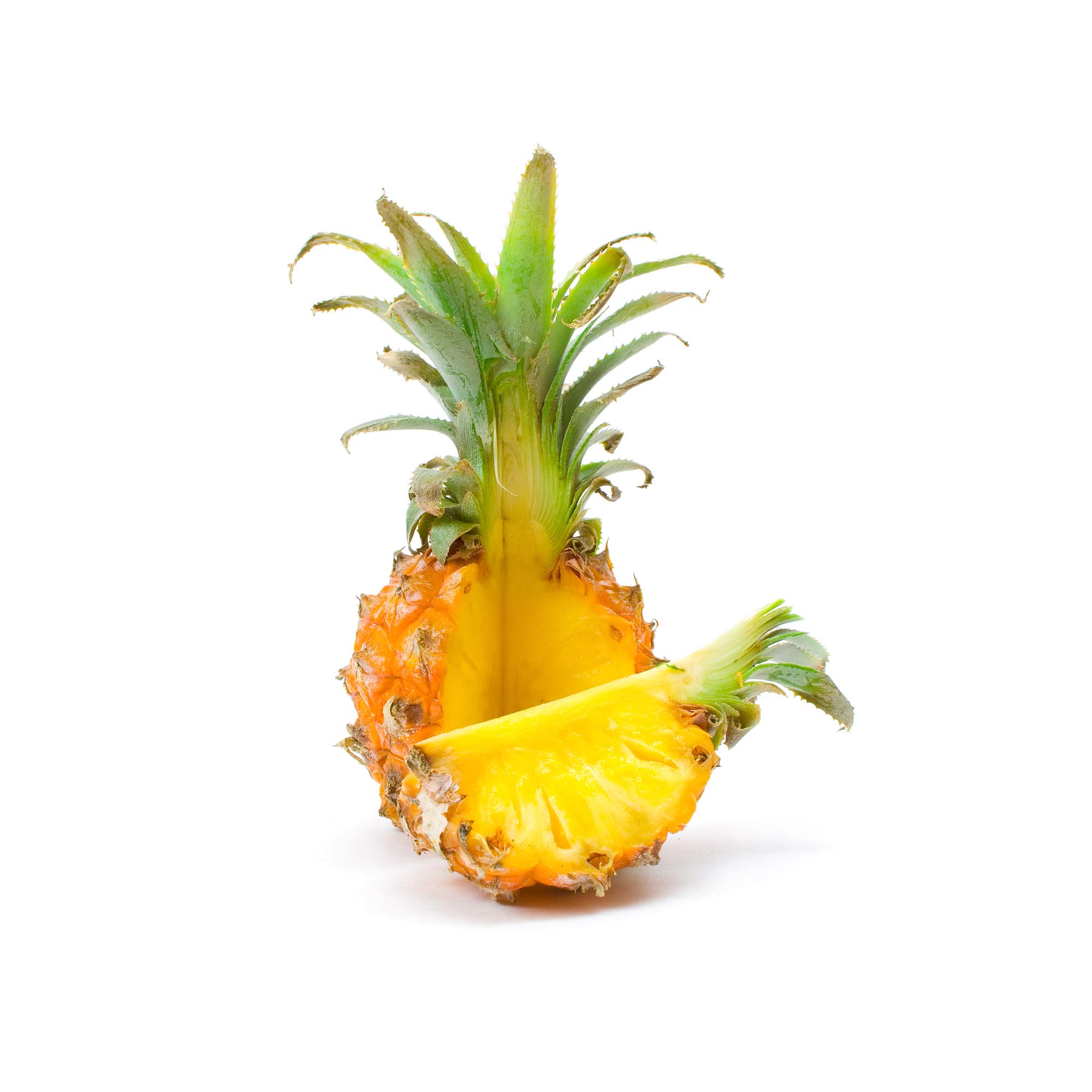
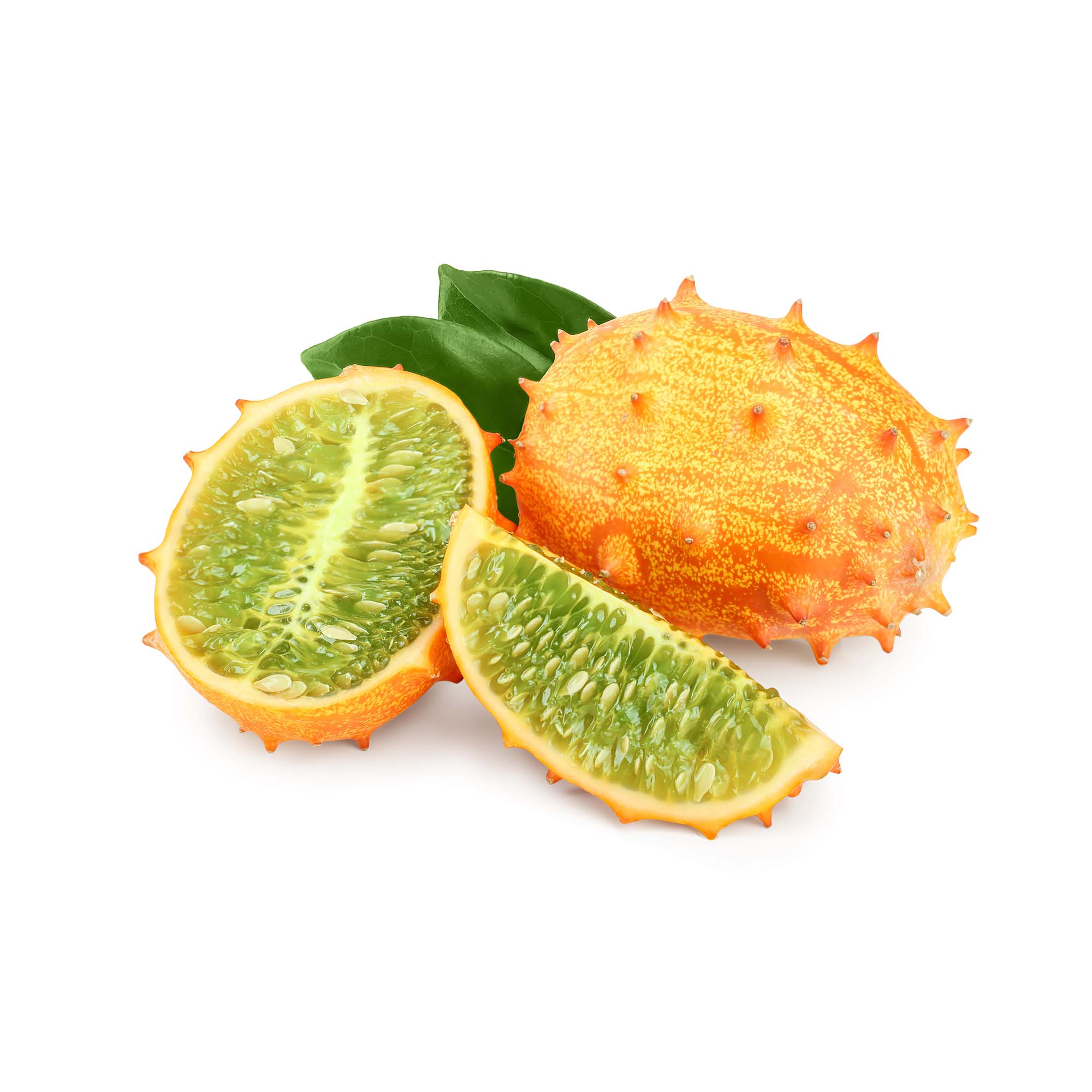
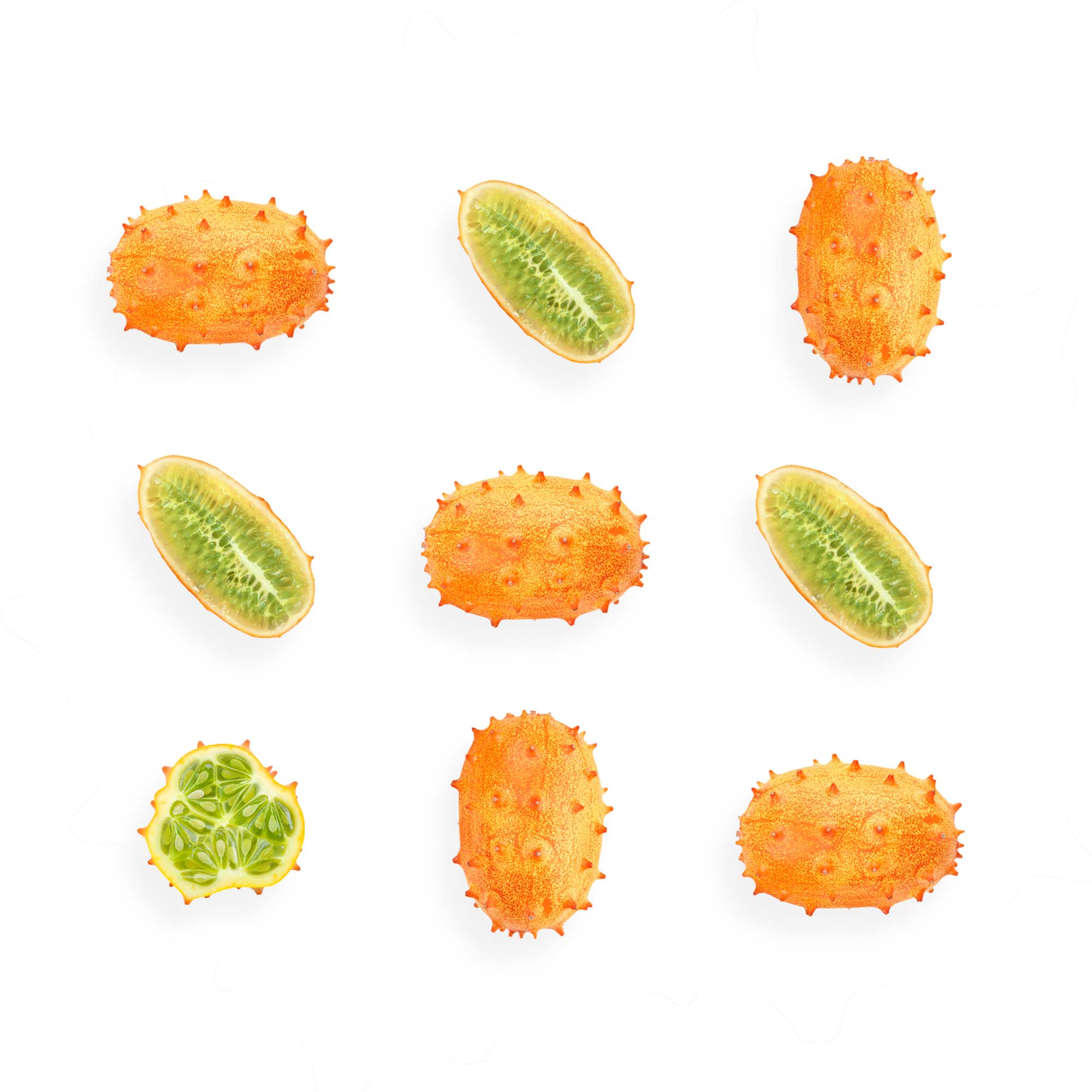
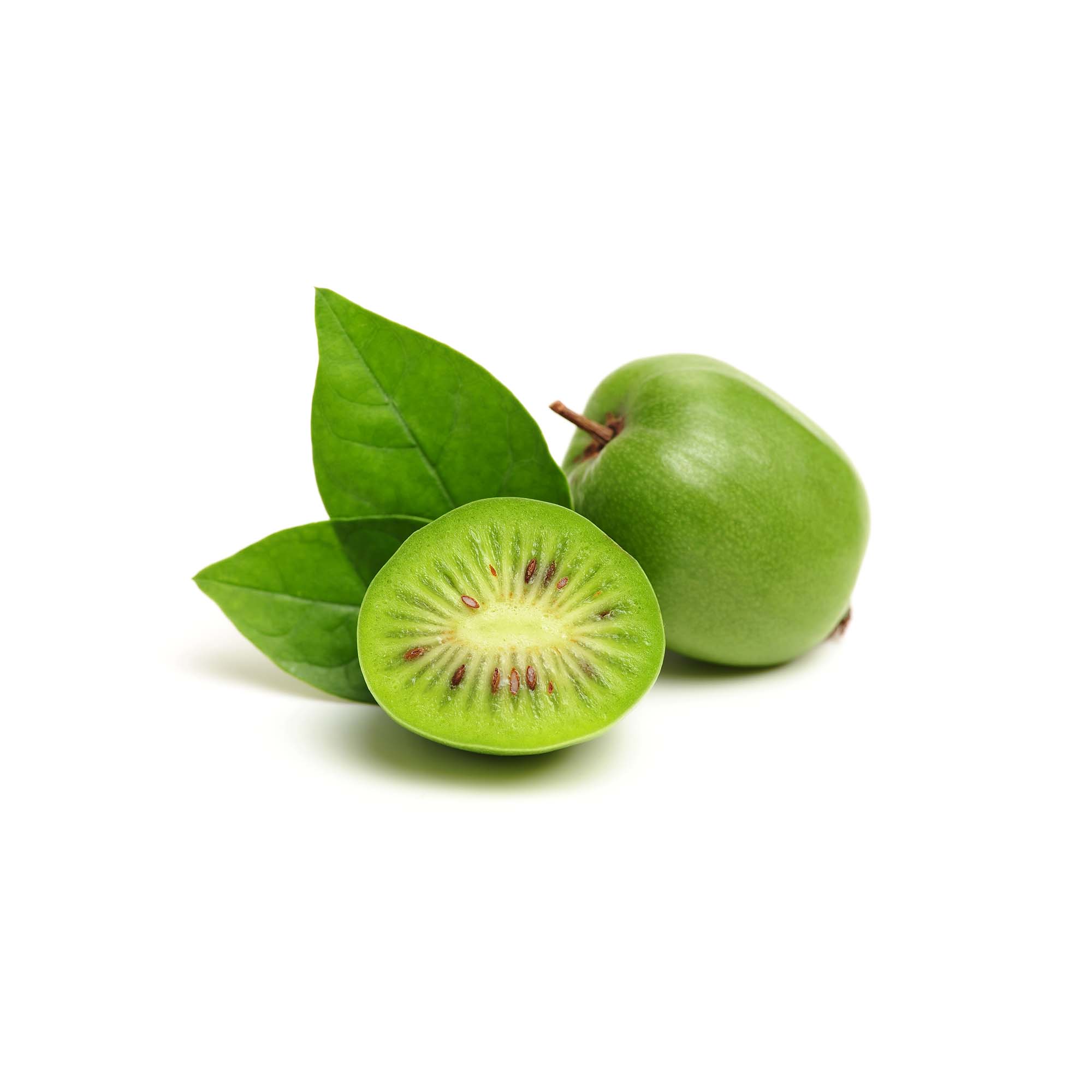
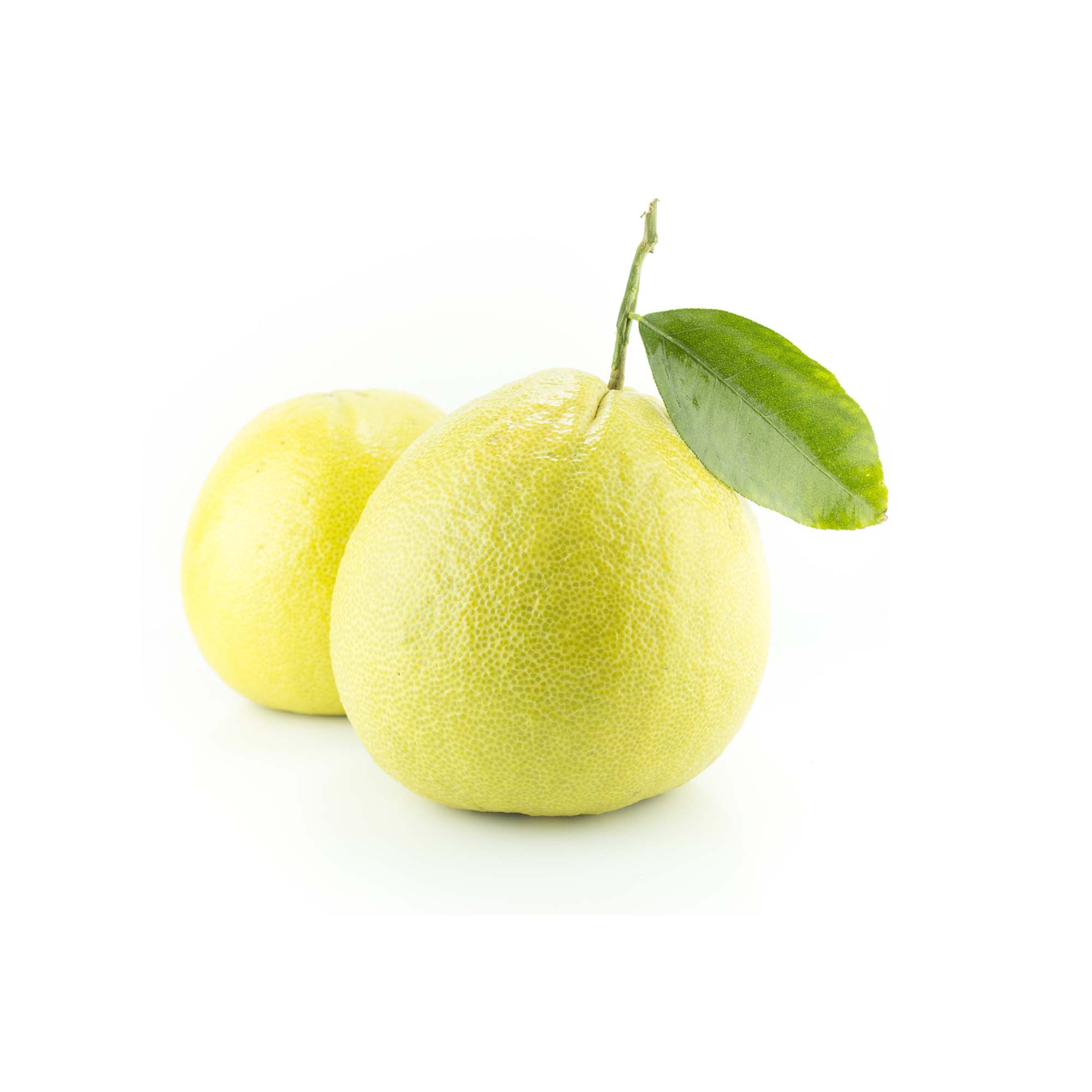
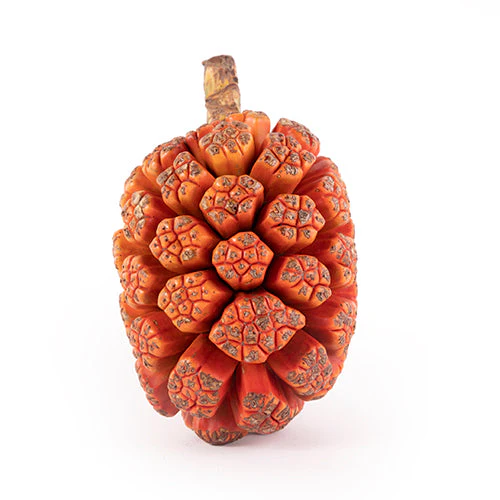
As you can see, the Hala fruit is somewhat like an exploded planet or mutated pineapple, making it one of the most interesting-looking fruits in the world! At 1 kilogram and around 30cm long, the Hala fruit is a large treasure that can be shared with friends and family. As well as its captivating appearance, Hala fruit boasts a wonderful carrot/mango/banana-like flavour.
History
Hala Fruit, also known as Pandanus, has a fascinating history deeply rooted in tropical regions. It has been cherished for centuries in Southeast Asia, particularly in countries like Malaysia, Indonesia, and the Philippines. This fruit holds cultural significance, and its leaves are often used for various purposes, such as weaving mats, creating traditional crafts, and perhaps even floss.
Regions
Hala Fruit traces its origins to the lush tropical landscapes of Southeast Asia, where it thrives in warm and humid climates. Today, it is grown and cultivated in countries across the region, including Thailand, Sri Lanka, India, and the Pacific Islands. The vibrant environments of these regions contribute to the distinct flavours and characteristics of Hala Fruit.
Flavours & Texture
Hala Fruit delights the senses with its unique combination of flavours. Its taste can be described as a tropical blend of sweet and mildly tangy notes, with a subtle hint of nuttiness. The flavour may be compared to a combination of mild mango, banana, and carrot.
The flesh is tender and juicy, while the texture is soft and fibrous, reminiscent of a hybrid between a pineapple and a mango. The aromatic essence of Hala Fruit adds an extra layer of tropical allure to its overall appeal.
Preparation
Start by carefully removing the thorny outer husk. Once the husk is removed, you can slice the fruit open to reveal its juicy segments, or pull the segments off the core with your hands.
You can squeeze out and eat the flesh directly, or use it as an ingredient. Hala Fruit is a popular ingredient in tropical desserts, fruit salads, and refreshing beverages. Its versatility allows it to complement both sweet and savoury dishes.
Nutritional Value
Hala fruit is a good source of calcium, phosphorus, iron, thiamin, and vitamin C.
|
Calories per 100 g |
321 |
|
Fat |
0.7 |
|
Carbohydrates |
17 |
|
Fibre |
3.5 |
|
Protein |
2.2 |
Country of Origin - Indonesia
Average Weight - 1 KG per fruit
Introduction
As you can see, the Hala fruit is somewhat like an exploded planet or mutated pineapple, making it one of the most interesting-looking fruits in the world! At 1 kilogram and around 30cm long, the Hala fruit is a large treasure that can be shared with friends and family. As well as its captivating appearance, Hala fruit boasts a wonderful carrot/mango/banana-like flavour.
History
Hala Fruit, also known as Pandanus, has a fascinating history deeply rooted in tropical regions. It has been cherished for centuries in Southeast Asia, particularly in countries like Malaysia, Indonesia, and the Philippines. This fruit holds cultural significance, and its leaves are often used for various purposes, such as weaving mats, creating traditional crafts, and perhaps even floss.
Regions
Hala Fruit traces its origins to the lush tropical landscapes of Southeast Asia, where it thrives in warm and humid climates. Today, it is grown and cultivated in countries across the region, including Thailand, Sri Lanka, India, and the Pacific Islands. The vibrant environments of these regions contribute to the distinct flavours and characteristics of Hala Fruit.
Flavours & Texture
Hala Fruit delights the senses with its unique combination of flavours. Its taste can be described as a tropical blend of sweet and mildly tangy notes, with a subtle hint of nuttiness. The flavour may be compared to a combination of mild mango, banana, and carrot.
The flesh is tender and juicy, while the texture is soft and fibrous, reminiscent of a hybrid between a pineapple and a mango. The aromatic essence of Hala Fruit adds an extra layer of tropical allure to its overall appeal.
Preparation
Start by carefully removing the thorny outer husk. Once the husk is removed, you can slice the fruit open to reveal its juicy segments, or pull the segments off the core with your hands.
You can squeeze out and eat the flesh directly, or use it as an ingredient. Hala Fruit is a popular ingredient in tropical desserts, fruit salads, and refreshing beverages. Its versatility allows it to complement both sweet and savoury dishes.
Nutritional Value
Hala fruit is a good source of calcium, phosphorus, iron, thiamin, and vitamin C.
|
Calories per 100 g |
321 |
|
Fat |
0.7 |
|
Carbohydrates |
17 |
|
Fibre |
3.5 |
|
Protein |
2.2 |
Description
Country of Origin - Indonesia
Average Weight - 1 KG per fruit
Introduction
As you can see, the Hala fruit is somewhat like an exploded planet or mutated pineapple, making it one of the most interesting-looking fruits in the world! At 1 kilogram and around 30cm long, the Hala fruit is a large treasure that can be shared with friends and family. As well as its captivating appearance, Hala fruit boasts a wonderful carrot/mango/banana-like flavour.
History
Hala Fruit, also known as Pandanus, has a fascinating history deeply rooted in tropical regions. It has been cherished for centuries in Southeast Asia, particularly in countries like Malaysia, Indonesia, and the Philippines. This fruit holds cultural significance, and its leaves are often used for various purposes, such as weaving mats, creating traditional crafts, and perhaps even floss.
Regions
Hala Fruit traces its origins to the lush tropical landscapes of Southeast Asia, where it thrives in warm and humid climates. Today, it is grown and cultivated in countries across the region, including Thailand, Sri Lanka, India, and the Pacific Islands. The vibrant environments of these regions contribute to the distinct flavours and characteristics of Hala Fruit.
Flavours & Texture
Hala Fruit delights the senses with its unique combination of flavours. Its taste can be described as a tropical blend of sweet and mildly tangy notes, with a subtle hint of nuttiness. The flavour may be compared to a combination of mild mango, banana, and carrot.
The flesh is tender and juicy, while the texture is soft and fibrous, reminiscent of a hybrid between a pineapple and a mango. The aromatic essence of Hala Fruit adds an extra layer of tropical allure to its overall appeal.
Preparation
Start by carefully removing the thorny outer husk. Once the husk is removed, you can slice the fruit open to reveal its juicy segments, or pull the segments off the core with your hands.
You can squeeze out and eat the flesh directly, or use it as an ingredient. Hala Fruit is a popular ingredient in tropical desserts, fruit salads, and refreshing beverages. Its versatility allows it to complement both sweet and savoury dishes.
Nutritional Value
Hala fruit is a good source of calcium, phosphorus, iron, thiamin, and vitamin C.
|
Calories per 100 g |
321 |
|
Fat |
0.7 |
|
Carbohydrates |
17 |
|
Fibre |
3.5 |
|
Protein |
2.2 |