Chalta
Country of Origin: Bangladesh 🇧🇩
Class / Cat: 1 (Premium Quality)
Average Weight: 575 Grams
Introduction
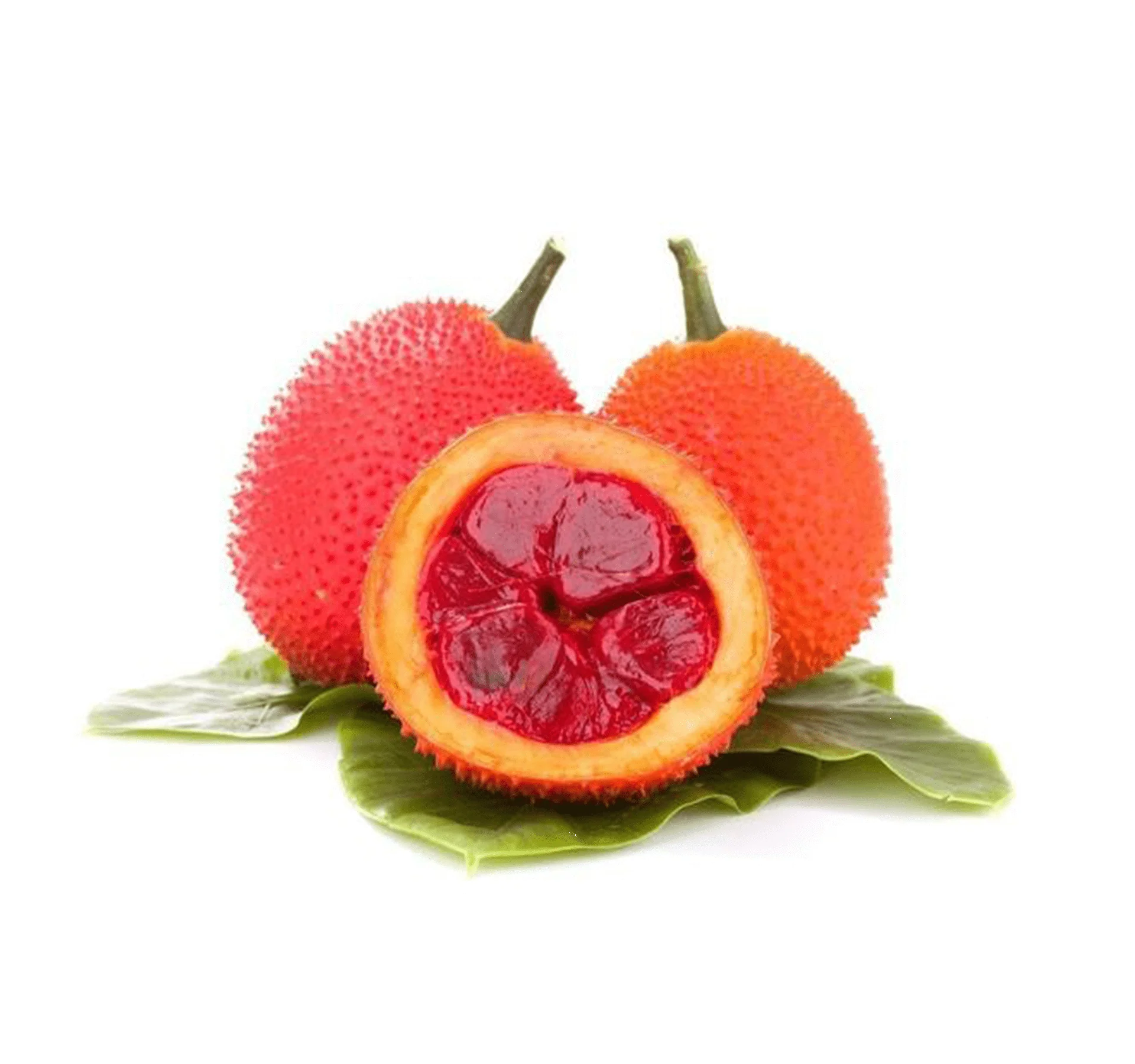
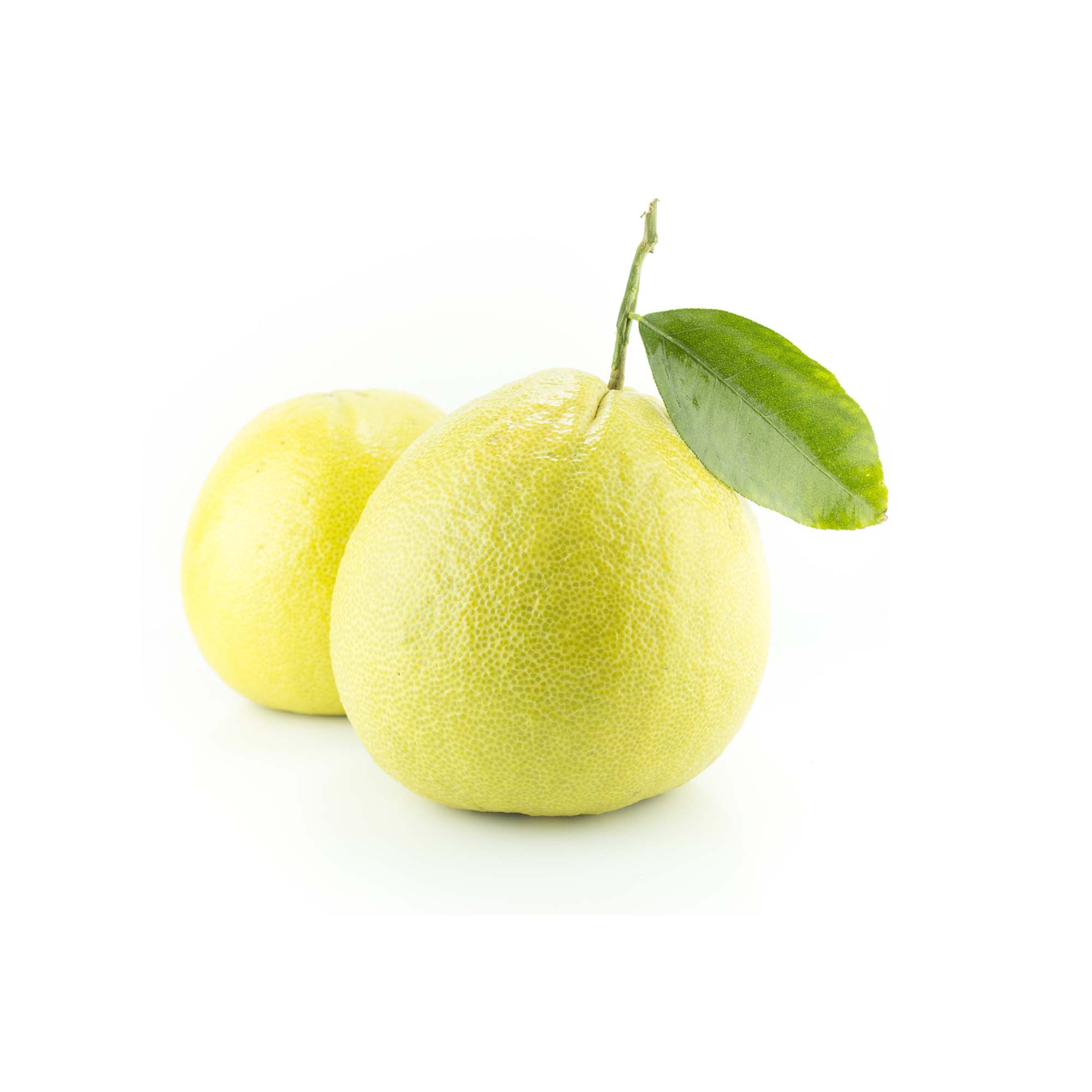
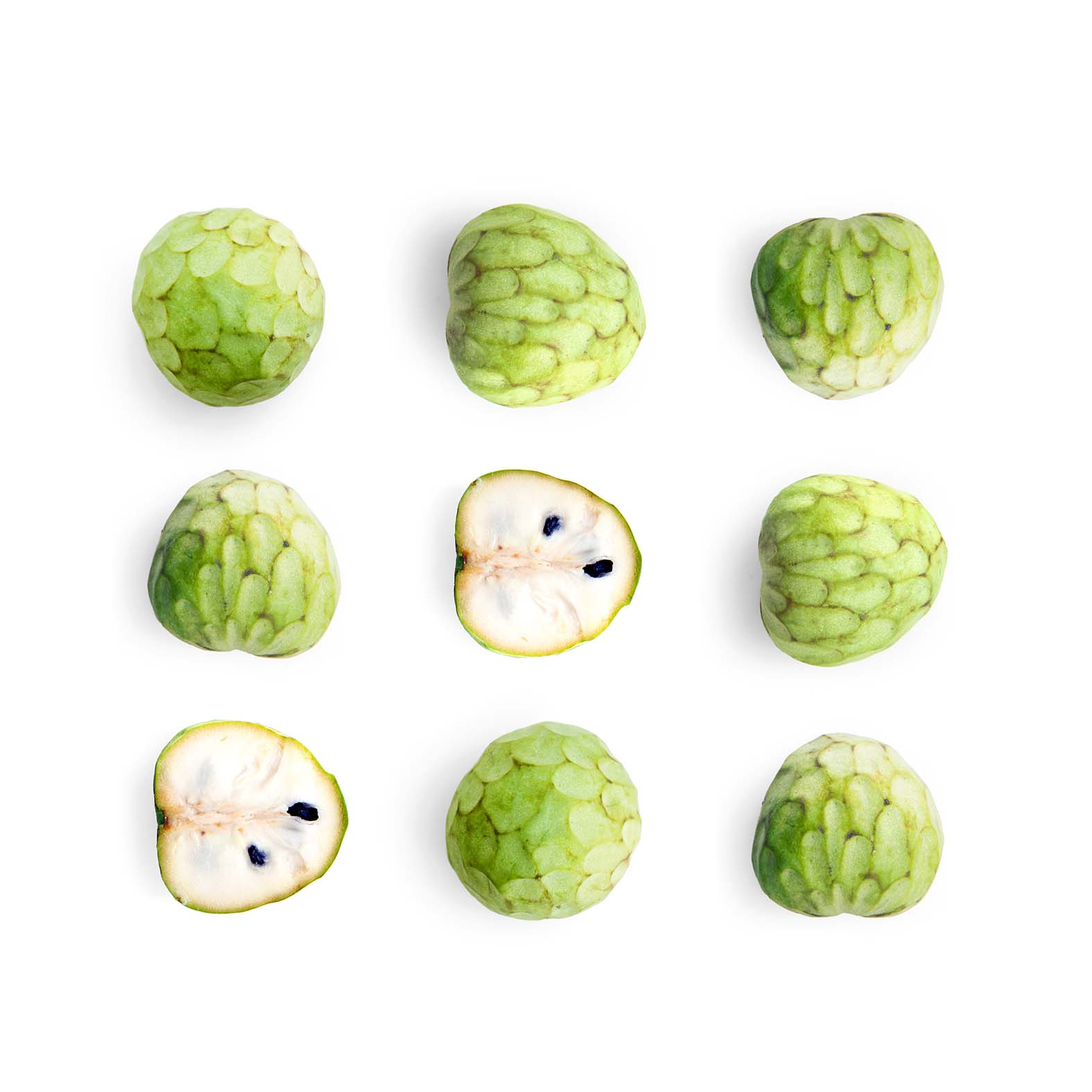
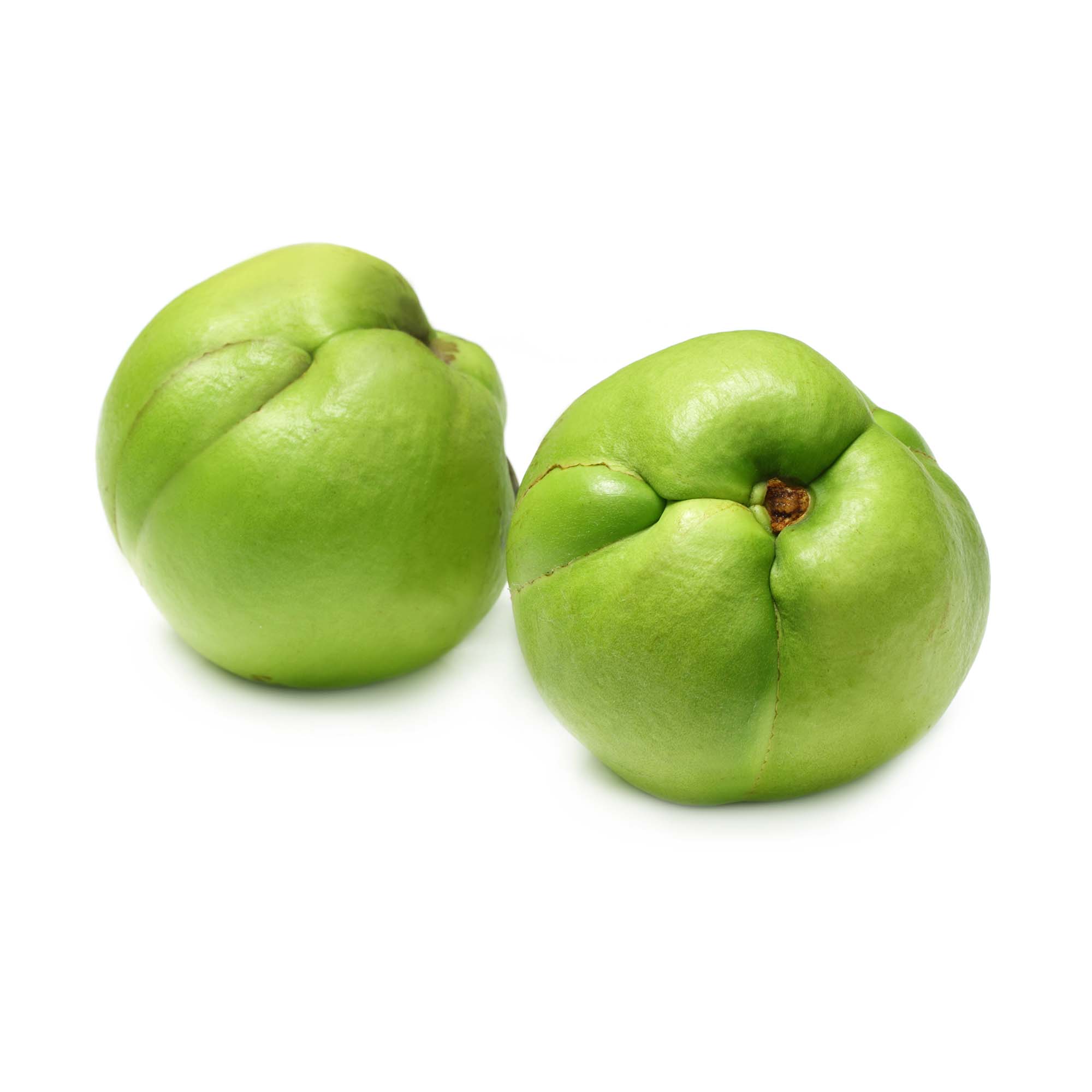
The English name for this fruit is Elephant Apple, because it’s a massively popular food-choice amongst elephants! Chalta is the original Hindi name.
History
Chalta originated in India and Sri Lanka, and then made its way across Southeast Asia, Vietnam, and China. It’s thought that elephants helped to distribute Chalta seeds, since it’s one of their favourite foods.
Regions
Nowadays, Chalta grows throughout Asia and even some parts of Australia. It thrives in swamps and semi-tropical, highly humid forests.
Flavours & Texture
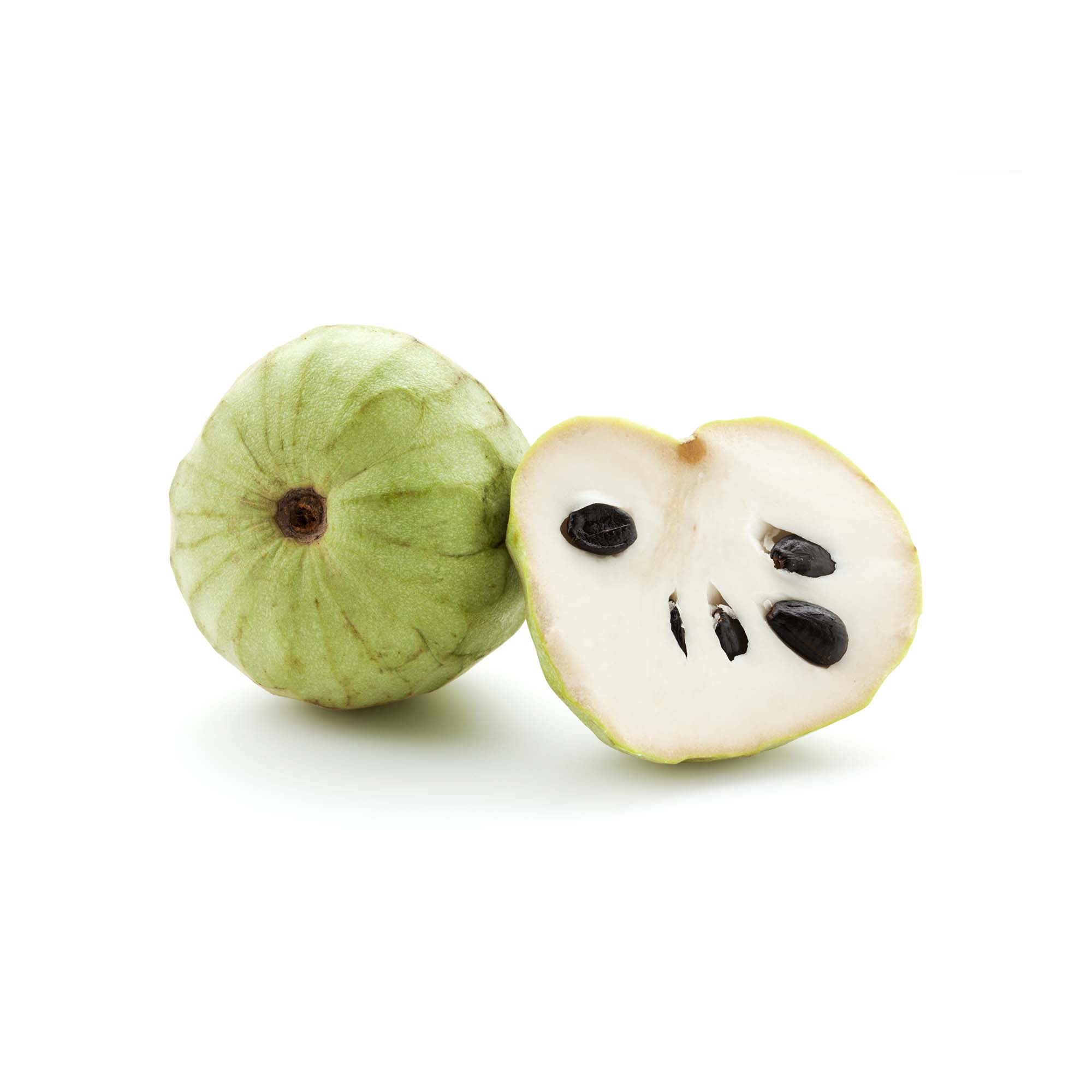
Chalta fruit has a gelatinous pulp that, when ripe, has a sour to sweet-sour flavour. Thanks to this flavour and its refreshing aroma, Chalta pulp is often used to make pickles, jams, jellies, and juices in traditional northeastern cuisine.
Preparation
The Chalta fruit can be eaten raw or cooked, depending on your preference. As mentioned above, Chalta pulp is often used in pickles, jams, jellies, and juices. They may also be mixed with coconut and spices to make delicious chutneys. You can use ripe or unripe Chalta in cooking.
Nutritional Value
Chalta is packed with B-vitamins, protein, and healthy fats.
|
Calories per 100 g |
59 |
|
Fat |
2 |
|
Carbohydrates |
13.4 |
|
Fibre |
2.3 |
|
Protein |
0.8 |
Country of Origin: Bangladesh 🇧🇩
Class / Cat: 1 (Premium Quality)
Average Weight: 575 Grams
Introduction
The English name for this fruit is Elephant Apple, because it’s a massively popular food-choice amongst elephants! Chalta is the original Hindi name.
History
Chalta originated in India and Sri Lanka, and then made its way across Southeast Asia, Vietnam, and China. It’s thought that elephants helped to distribute Chalta seeds, since it’s one of their favourite foods.
Regions
Nowadays, Chalta grows throughout Asia and even some parts of Australia. It thrives in swamps and semi-tropical, highly humid forests.
Flavours & Texture
Chalta fruit has a gelatinous pulp that, when ripe, has a sour to sweet-sour flavour. Thanks to this flavour and its refreshing aroma, Chalta pulp is often used to make pickles, jams, jellies, and juices in traditional northeastern cuisine.
Preparation
The Chalta fruit can be eaten raw or cooked, depending on your preference. As mentioned above, Chalta pulp is often used in pickles, jams, jellies, and juices. They may also be mixed with coconut and spices to make delicious chutneys. You can use ripe or unripe Chalta in cooking.
Nutritional Value
Chalta is packed with B-vitamins, protein, and healthy fats.
|
Calories per 100 g |
59 |
|
Fat |
2 |
|
Carbohydrates |
13.4 |
|
Fibre |
2.3 |
|
Protein |
0.8 |
Original: $9.46
-65%$9.46
$3.31Description
Country of Origin: Bangladesh 🇧🇩
Class / Cat: 1 (Premium Quality)
Average Weight: 575 Grams
Introduction
The English name for this fruit is Elephant Apple, because it’s a massively popular food-choice amongst elephants! Chalta is the original Hindi name.
History
Chalta originated in India and Sri Lanka, and then made its way across Southeast Asia, Vietnam, and China. It’s thought that elephants helped to distribute Chalta seeds, since it’s one of their favourite foods.
Regions
Nowadays, Chalta grows throughout Asia and even some parts of Australia. It thrives in swamps and semi-tropical, highly humid forests.
Flavours & Texture
Chalta fruit has a gelatinous pulp that, when ripe, has a sour to sweet-sour flavour. Thanks to this flavour and its refreshing aroma, Chalta pulp is often used to make pickles, jams, jellies, and juices in traditional northeastern cuisine.
Preparation
The Chalta fruit can be eaten raw or cooked, depending on your preference. As mentioned above, Chalta pulp is often used in pickles, jams, jellies, and juices. They may also be mixed with coconut and spices to make delicious chutneys. You can use ripe or unripe Chalta in cooking.
Nutritional Value
Chalta is packed with B-vitamins, protein, and healthy fats.
|
Calories per 100 g |
59 |
|
Fat |
2 |
|
Carbohydrates |
13.4 |
|
Fibre |
2.3 |
|
Protein |
0.8 |